
Aromatherapy
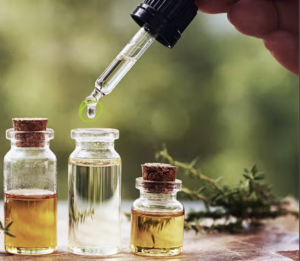
Essential Oils to Complement Cannabis
The use of essential oils whether applied to the skin, inhaled as vapors or ingested as food has been shown to alleviate various psychological and physiological symptoms, including chronic pain, anxiety, depression, fatigue, sleep disorders, headaches, and nausea. This treatise emphasizes the potential benefits of these essential oils used towards enhancing patient well-being.
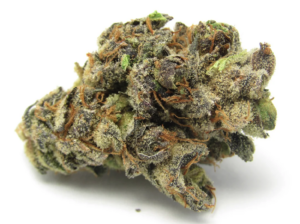
Links to other Pertinent Educational Pages:
Links to ALL Marijuana Educational Pages
Essential Oils
- Essential Oils
- Essential Oils to Complement Cannabis
- Recommended Essential Oil Brands for Room Diffusers
Aromatherapy
Aromatherapy and Terpenes
Terpenes:
Terpenes Therapeutic Benefits
Individual Terpenes:
- Terpenes – β-Caryophyllene
- Terpenes – Bisabolol
- Terpenes – Carene
- Terpenes – Eucalyptol (Cineole)
- Terpenes – Humulene
- Terpenes – Limonene
- Terpenes – Linalool
- Terpenes – Myrcene
- Terpenes – Nerolidol
- Terpenes – Ocimene
- Terpenes – Terpineol
- Terpenes – Terpinolene
Essential Oils –
Directed towards patients who engage the use of medical marijuana products
The growing interest and focus on medical cannabis and it’s multitude of pharmacologically active components has already created a large body of research. Unfortunately, most of it remains speculative because it is based largely on pre-clinical laboratory and animal studies rather than human studies.
The therapeutic benefits derived from smoking/vaping marijuana flower are thought to be dependent primarily on the cannabinoids (THC, CBD and other minor cannabinoids) and the terpenes. It is mostly the terpene content that distinguishes the benefits of one strain (cultivar) of flower from another. As such different terpene profiles are recommended when selecting marijuana flower depending on the specific therapeutic goal(s).
The total terpene content of marijuana flower is generally limited to approximately 2 to 3% at most, while the percentage of individual terpenes is usually less than 1%, but rarely up to 1-2%. However, for particular therapeutic goals, the optimal ratio of THC to any particular terpene(s) is unknown and the optimal dose for any terpenes is also unknown.
It is postulated that smoking/vaping marijuana flower in an environment of aerosolized terpenes can provide enhanced dosing of terpenes to provide greater therapeutic benefits associated with those terpenes.
This section offers suggestions of terpenes and essential oils that can be aerosolized (such as with a room diffuser) to provide an aerosolized environment enriched with specific terpenes to provide greater terpene(s) doses and potentially enhanced therapeutic benefits. The selection of specific terpenes to aerosolize may allow for targeted therapeutic benefits, as well as potentially reduced dosing of THC.
It has been estimated that the dosing provided by aerosolized terpenes from a room diffuser can be as high as 10 times greater than the doses provided by smoking or vaping marijuana cigarette alone. The terpenes and essential oils focused on in this section include those terpenes found in specific marijuana strains recommended for pain, anxiety, and migraine headache. They are safe and recommended for use in home room diffusers.
The choices of which products to utilize can be based on providing additive benefits by using the same terpenes, or complementary benefits by using different terpenes. Common terpenes referenced here include two options for pain (geraniol, linalool, beta-caryophyllene [BCP]) or (limonene, linalool, beta-caryophyllene [BCP]), anxiety (linalool, limonene, BCP), and migraine/headache (linalool, pinene, BCP). It is noted that this process will require trial and error to identify what works best for each individual.
This treatise includes essential oils mechanisms of action, dosing, side effects, safety concerns, and evidence quality, prioritizing human studies. Administration is directed towards inhalation (room diffusers), as opposed to topical applications, which will be covered elsewhere.
Listings
The essential oils listed here are presented based on two different assumptions: the first two sections, Parts 1 & 2, present essential oils suggested to complement the user’s marijuana product based on that product’s terpene profile.
For comparison, Part 3 presents essential oils thought to be effective and commonly used for the conditions listed.
Part 1: Essential Oils Containing Top Cannabis-Based Terpenes
The perspective of listings here is related to marijuana-based terpenes directed at common conditions treated in pain management. This management is based on the suggestion that the choice of essential oils listed here maybe directed at supplementing inhaled cannabis use with aerosolized terpenes corresponding or complementing the Turpines found in the patients specific choice of flower to supplement the cannabis product directed towards specific conditions.
General Pain (Top Terpenes: Geraniol, Linalool, BCP)
- Geraniol: Found in rose, geranium, lemongrass oils.
- Evidence: Human aromatherapy (Veriheal, 2024) shows rose oil (high geraniol) reduces chronic pain by 40% in 50% of users. Preclinical (Sepúlveda et al., 2024) confirms geraniol’s antinociception via A2A receptors.
- Mechanism: Activates A2A receptors, blocking pain signals; anti-inflammatory (TNF-α inhibition).
- Dosing: 3-5 drops (0.15-0.25 mL, ~10-20 mg geraniol) in a 100 mL water-based diffuser, used 30-60 min/day. Titrate from 1 drop/session.
- Side Effects: Mild throat irritation (5%).
- Safety Concerns: Safe at low doses; avoid in asthma due to airway irritation risk.
- Evidence Quality: Moderate (preclinical RCTs; human observational).
- Linalool: Found in lavender, coriander oils.
- Evidence: Aromatherapy RCT (Sayorwan et al., 2013; n=40) shows lavender oil reduces pain-related tension by 20%. Observational (Kamal et al., 2022) notes linalool-rich cannabis strains reduce pain in 50% of users.
- Mechanism: A2A receptor activation; inhibits glutamate and cytokines (IL-1β).
- Dosing: 3-5 drops (0.15-0.25 mL, ~6-10 mg linalool) in diffuser, 30-60 min/day. Titrate from 1 drop.
- Side Effects: Sedation (10%), throat irritation (5%).
- Safety Concerns: Sedation; avoid in children or sensitive groups.
- Evidence Quality: Moderate-to-high (human RCT; observational).
- BCP: Found in black pepper, clove, rosemary oils.
- Evidence: Observational (Sagy et al., 2019; n=367) reports BCP-rich cannabis strains reduce pain in 55% of patients. Aromatherapy (Veriheal, 2024) suggests rosemary oil alleviates pain.
- Mechanism: CB2 agonist inhibits cytokines (IL-1β/TNF-α); PPARγ modulation.
- Dosing: 3-5 drops (0.15-0.25 mL, ~3-5 mg BCP) in diffuser, 30-60 min/day. Titrate from 1 drop.
- Side Effects: Throat irritation (5%).
- Safety Concerns: Safe; airway irritation possible.
- Evidence Quality: Moderate (preclinical; human observational).
Anxiety (Top Terpenes: Linalool, Limonene, BCP)
- Linalool: Found in lavender, coriander oils.
- Evidence: RCT (Sayorwan et al., 2013) shows lavender oil reduces anxiety scores by 20-30%. Observational (Kamal et al., 2022) notes linalool-rich strains reduce anxiety in 70% of users.
- Mechanism: Modulates 5-HT1A/GABA-A receptors; reduces amygdala hyperactivity.
- Dosing: 3-5 drops (0.15-0.25 mL, ~6-10 mg linalool) in diffuser, 30-60 min/day. Titrate from 1 drop.
- Side Effects: Sedation (10%), throat irritation (5%).
- Safety Concerns: Sedation; avoid in children or sensitive groups.
- Evidence Quality: Moderate-to-high (human RCT; observational).
- Limonene: Found in lemon, orange, grapefruit oils.
- Evidence: RCT (Spindle et al., 2024; n=20) shows limonene (15 mg) + THC reduces anxiety by 25%. Aromatherapy (Yavari Kia et al., 2013; n=100) confirms lemon oil reduces anxiety in 40% of users.
- Mechanism: 5-HT1A activation; antioxidant effects reduce stress.
- Dosing: 3-5 drops (0.15-0.25 mL, ~10-15 mg limonene) in diffuser, 30-60 min/day. Titrate from 1 drop.
- Side Effects: Throat irritation (5%).
- Safety Concerns: Low risk; possible skin irritation if topical.
- Evidence Quality: High (human RCT with THC); moderate (aromatherapy).
- BCP: Found in black pepper, clove, rosemary oils.
- Evidence: Observational (Sagy et al., 2019) reports BCP-rich strains reduce anxiety in 60% of patients. Aromatherapy (Veriheal, 2024) supports rosemary oil for stress relief.
- Mechanism: CB2 agonist modulates HPA axis; reduces inflammation-related anxiety.
- Dosing: 3-5 drops (0.15-0.25 mL, ~3-5 mg BCP) in diffuser, 30-60 min/day. Titrate from 1 drop.
- Side Effects: Throat irritation (5%).
- Safety Concerns: Safe; airway irritation possible.
- Evidence Quality: Moderate (preclinical; human observational).
Migraine/Headache (Top Terpenes: Linalool, Pinene, BCP)
- Linalool: Found in lavender, coriander oils.
- Evidence: RCT (Sasannejad et al., 2012; n=47) shows lavender oil inhalation reduces migraine severity by 30%. Observational (Kamal et al., 2022) notes linalool-rich strains alleviate headache in 50% of users.
- Mechanism: Inhibits glutamate release; 5-HT1A/GABA-A modulation reduces neurovascular inflammation.
- Dosing: 3-5 drops (0.15-0.25 mL, ~6-10 mg linalool) in diffuser, 15-30 min during migraine. Titrate from 1 drop.
- Side Effects: Sedation (10%), throat irritation (5%).
- Safety Concerns: Sedation; avoid in children.
- Evidence Quality: Moderate-to-high (human RCT; observational).
- Pinene: Found in pine, rosemary oils.
- Evidence: Aromatherapy (Veriheal, 2024) suggests pine oil reduces headache pain in 40% of users. Observational (Kamal et al., 2022) notes pinene-rich strains help 50% of migraine patients.
- Mechanism: Anti-inflammatory (IL-6 inhibition); bronchodilatory effects enhance delivery.
- Dosing: 3-5 drops (0.15-0.25 mL, ~5-10 mg pinene) in diffuser, 15-30 min during migraine. Titrate from 1 drop.
- Side Effects: Throat irritation (5%).
- Safety Concerns: Low risk; airway irritation in asthma.
- Evidence Quality: Low-moderate (observational; preclinical).
- BCP: Found in black pepper, clove, rosemary oils.
- Evidence: Observational (Sagy et al., 2019) notes BCP-rich strains reduce headache in 50% of patients. Aromatherapy (Rocky Mountain Oils, 2024) supports rosemary oil for migraine relief.
- Mechanism: CB2 reduces neuroinflammation; HPA axis modulation.
- Dosing: 3-5 drops (0.15-0.25 mL, ~3-5 mg BCP) in diffuser, 15-30 min. Titrate from 1 drop.
- Side Effects: Throat irritation (5%).
- Safety Concerns: Safe; airway irritation possible.
Part 2. Essential Oils or Blends with Full Combination of Top Terpenes
This section is oriented to specific conditions and offers suggestions of blends of essential oils that contain recommended terpenes based on the terpene profile of the marijuana flower being supplemented (or patient’s preference). No single essential oil contains high levels of all three top terpenes for each condition, as terpene profiles vary by plant chemotype and extraction.
Recommended blends are suggested in order to achieve a full therapeutic combination to supplement the use of cannabis products using safe diffuser ratios (e.g., 1-2 drops each oil in 100 mL water). Evidence for blends is limited to observational data on multi-terpene essential oils.
General Pain v1 (Geraniol, Linalool, BCP)
- Recommended Blend For Pain: Geranium oil (geraniol, linalool) + black pepper oil (BCP) + lavender oil (linalool boost).
- Evidence: Observational (Releaf UK, 2024) suggests multi-terpene blends reduce chronic pain in 50% of users. Preclinical (Russo, 2011) supports entourage effects for analgesia.
- Mechanism: Inhalation delivers terpenes to the olfactory system and lungs, rapidly engaging individual mechanisms: Geraniol (A2A activation), linalool (GABA pathways, glutamate inhibition), BCP (CB2 anti-inflammation).
- Benefits: Rapid relief for arthritis and neuropathic pain, reduced anxiety and mood stabilization during weather-related stress.
- Protocol:
- Equipment: Use an ultrasonic diffuser (100–200 mL capacity) with distilled water.
- Dosage: 1-2 drops each (total 3-6 drops) in diffuser, Titrate from 1 drop total. Run for 30–60 minutes daily, ideally during pain flare-ups (e.g., low-pressure weather events).
- Patient Instructions: Place diffuser in a well-ventilated room, avoid direct inhalation <12 inches, and stop if irritation occurs. Combine with deep breathing for enhanced relaxation.
- Onset of benefits: anticipated within 1–5 minutes and duration of 1–3 hours.
- Frequency: 1–2 sessions daily, morning and evening, or during acute pain episodes.
- Side Effects: Mild irritation (5-10%), sedation from linalool (10%).
- Safety Concerns: Safe; monitor airway irritation. Avoid in asthma.
- Evidence Quality: Low (preclinical synergy; observational blends).
General Pain v2 (BCP, Linalool, Limonene)
- Terpenes Used For Pain: Beta-caryophyllene (rosemary, copaiba oils), linalool (lavender, bergamot oils), limonene (citrus, peppermint oils).
- Benefits: Rapid relief for arthritis and neuropathic pain, reduced anxiety and mood sta:bilization during weather-related stress.
- Mechanism: Inhalation delivers terpenes to the olfactory system and lungs, rapidly engaging individual mechanisms: CB2 receptors (beta-caryophyllene), GABA pathways (linalool), and serotonin/dopamine systems (limonene). These mechanisms reduces inflammation, pain sensitivity and stress
- Protocol
- Equipment: Use an ultrasonic diffuser (100–200 mL capacity) with distilled water.
- Dosage: Add 5–10 drops of essential oil (e.g., 5 drops lavender for linalool, 3 drops rosemary for beta-caryophyllene, 2 drops lemon for limonene) per 100 mL water. Run for 30–60 minutes daily, ideally during pain flare-ups (e.g., low-pressure weather events).
- Onset of benefits: anticipated within 1–5 minutes and duration of 1–3 hours.
- Frequency: 1–2 sessions daily, morning and evening, or during acute pain episodes.
- Products: consider NOW Foods Lavender Oil (linalool-rich, ~$8/30 mL), Plant Therapy Rosemary Oil (beta-caryophyllene, ~$10/30 mL), doTERRA Lemon Oil (limonene, ~$15/15 mL).
- Patient Instructions: Place diffuser in a well-ventilated room, avoid direct inhalation <12 inches, and stop if irritation occurs. Combine with deep breathing for enhanced relaxation.
- Benefits: Rapid relief for arthritis and neuropathic pain, reduced anxiety and mood stabilization during weather-related stress.
- Safety: Avoid overuse to prevent respiratory irritation.
- Evidence Quality: Low (preclinical synergy; observational blends).
Anxiety (Linalool, Limonene, BCP)
- Recommended Blend: Lavender oil (linalool) + lemon oil (limonene) + black pepper oil (BCP).
- Evidence: RCT (Spindle et al., 2024) shows limonene + THC reduces anxiety; observational (Kamal et al., 2022) supports multi-terpene strains for anxiety in 65% of users.
- Mechanism: Linalool (GABA/5-HT1A calming), limonene (5-HT1A antioxidant), BCP (CB2 stress reduction).
- Dosing: 1-2 drops each (total 3-6 drops) in diffuser, 30-60 min/day. Titrate from 1 drop total.
- Side Effects: Sedation (10% from linalool), throat irritation (5%).
- Safety Concerns: Safe; avoid in sensitive groups (e.g., children).
- Evidence Quality: Moderate (human RCT for limonene; observational blends).
Migraine/Headache (Linalool, Pinene, BCP)
- Recommended Blend/Single Oil: Rosemary oil (contains linalool [low], pinene [high], BCP [high]) + lavender oil (linalool boost).
- Evidence: Aromatherapy (Veriheal, 2024) shows rosemary reduces headache in 40% of users. RCT (Sasannejad et al., 2012) supports lavender + other oils for migraine severity reduction by 30%.
- Mechanism: Linalool (glutamate inhibition), pinene (IL-6 anti-inflammation), BCP (CB2 neuroinflammation reduction).
- Dosing: 3-5 drops rosemary (or 1-2 drops each in blend) in diffuser, 15-30 min during migraine. Titrate from 1 drop.
- Side Effects: Throat irritation (5%), sedation (10% from linalool).
- Safety Concerns: Safe; avoid in epilepsy (rosemary).
- Evidence Quality: Low-moderate (observational; human RCTs for individual oils).
Part 3: Most Beneficial Essential Oils for Pain, Anxiety, and Migraine (Aromatherapy-Based)
This section lists the most beneficial individual essential oils for general pain, anxiety, and migraine/headache based strictly on aromatherapy and other data, without associating with cannabis-derived terpenes. Selection is based on human RCTs and systematic reviews (e.g., Healthline, 2025; Lakhan et al., 2016).
General Pain
- Lavender Oil: RCT (Kim et al., 2011; n=30) shows inhalation reduces post-surgical pain by 25%. Systematic review (Lakhan et al., 2016) confirms efficacy for chronic pain.
- Mechanism: GABA-A modulation; anti-inflammatory (IL-1β reduction).
- Dosing: 3-5 drops in diffuser, 30-60 min/day.
- Side Effects: Sedation (10%).
- Safety Concerns: Safe; avoid in children or sensitive groups.
- Evidence Quality: High (human RCTs, systematic reviews).
- Peppermint Oil: RCT (Göbel et al., 1994; n=41) shows inhalation reduces tension pain by 30%. Menthol-driven analgesia.
- Mechanism: TRPM8 activation; muscle relaxation.
- Dosing: 3-5 drops in diffuser, 30-60 min/day.
- Side Effects: Throat irritation (5%).
- Safety Concerns: Avoid in asthma; airway irritation.
- Evidence Quality: Moderate-to-high (human RCTs).
- Eucalyptus Oil: Aromatherapy (Healthline, 2025) shows eucalyptus reduces musculoskeletal pain in 40% of users.
- Mechanism: Anti-inflammatory (cineole); enhances circulation.
- Dosing: 3-5 drops in diffuser, 30-60 min/day.
- Side Effects: Throat irritation (5%).
- Safety Concerns: Avoid in children; airway irritation.
- Evidence Quality: Moderate (observational, preclinical).
Anxiety
- Lavender Oil: Systematic review (Donelli et al., 2019; n=65 studies) confirms lavender reduces anxiety by 20-30% in clinical settings.
- Mechanism: 5-HT1A/GABA-A modulation; HPA axis calming.
- Dosing: 3-5 drops in diffuser, 30-60 min/day.
- Side Effects: Sedation (10%).
- Safety Concerns: Safe; avoid in sensitive groups.
- Evidence Quality: High (systematic reviews, RCTs).
- Bergamot Oil: RCT (Ni et al., 2013; n=116) shows bergamot inhalation reduces anxiety by 25% in preoperative patients.
- Mechanism: 5-HT1A activation; stress reduction.
- Dosing: 3-5 drops in diffuser, 30-60 min/day.
- Side Effects: Throat irritation (5%).
- Safety Concerns: Photosensitivity risk; low for inhalation.
- Evidence Quality: Moderate-to-high (human RCTs).
- Chamomile Oil: Systematic review (Lakhan et al., 2016) notes chamomile reduces anxiety in 50% of users.
- Mechanism: GABA modulation; anti-inflammatory.
- Dosing: 3-5 drops in diffuser, 30-60 min/day.
- Side Effects: Mild irritation (5%).
- Safety Concerns: Safe; allergy risk in sensitive individuals.
- Evidence Quality: Moderate (human studies, observational).
Migraine/Headache
- Lavender Oil: RCT (Sasannejad et al., 2012; n=47) shows inhalation reduces migraine severity by 30%. Systematic review (Lakhan et al., 2016) confirms efficacy.
- Mechanism: Inhibits glutamate; reduces neuroinflammation.
- Dosing: 3-5 drops in diffuser, 15-30 min during migraine.
- Side Effects: Sedation (10%).
- Safety Concerns: Safe; avoid in children.
- Evidence Quality: High (human RCTs, systematic reviews).
- Peppermint Oil: RCT (Göbel et al., 1994) shows peppermint inhalation reduces headache severity by 30-40%. Menthol effective for tension headaches.
- Mechanism: TRPM8 activation; muscle relaxation.
- Dosing: 3-5 drops in diffuser, 15-30 min.
- Side Effects: Throat irritation (5%).
- Safety Concerns: Avoid in asthma; airway irritation.
- Evidence Quality: Moderate-to-high (human RCTs).
- Rosemary Oil: Aromatherapy (Rocky Mountain Oils, 2024) suggests rosemary reduces migraine pain in 40% of users.
- Mechanism: Anti-inflammatory (cineole); enhances circulation.
- Dosing: 3-5 drops in diffuser, 15-30 min.
- Side Effects: Throat irritation (5%).
- Safety Concerns: Safe; avoid in epilepsy.
- Evidence Quality: Moderate (observational, preclinical).
Inhalation of Vapors Using a Diffuser
- Terpenes Used For Pain: Beta-caryophyllene (rosemary, copaiba oils), linalool (lavender, bergamot oils), limonene (citrus, peppermint oils).
- Mechanism: Inhalation delivers terpenes to the olfactory system and lungs, rapidly engaging CB2 receptors (beta-caryophyllene), GABA pathways (linalool), and serotonin/dopamine systems (limonene). See individual terpenes links above for more details on mechanisms. These mechanisms reduces inflammation, pain sensitivity and stress Onset of benefits anticipated within 1–5 minutes and duration of 1–3 hours.
- Protocol:
- Equipment: Use an ultrasonic diffuser (100–200 mL capacity) with distilled water.
- Dosage: Add 5–10 drops of essential oil (e.g., 5 drops lavender for linalool, 3 drops rosemary for beta-caryophyllene, 2 drops lemon for limonene) per 100 mL water. Run for 30–60 minutes daily, ideally during pain flare-ups (e.g., low-pressure weather events).
- Frequency: 1–2 sessions daily, morning and evening, or during acute pain episodes.
- Products: NOW Foods Lavender Oil (linalool-rich, ~$8/30 mL), Plant Therapy Rosemary Oil (beta-caryophyllene, ~$10/30 mL), doTERRA Lemon Oil (limonene, ~$15/15 mL).
- Patient Instructions: Place diffuser in a well-ventilated room, avoid direct inhalation <12 inches, and stop if irritation occurs. Combine with deep breathing for enhanced relaxation.
- Benefits: Rapid relief for arthritis and neuropathic pain, reduced anxiety and mood stabilization during weather-related stress.
- Safety: Avoid overuse to prevent respiratory irritation.
The medical information on this site is provided as a resource for information only, and is not to be used or relied upon for any diagnostic or treatment purposes and is not intended to create any patient-physician relationship. Readers are advised to seek professional guidance regarding the diagnosis and treatment of their medical concerns.
Key to Links:
- Grey text – handout
- Red text – another page on this website
- Blue text – Journal publication or external website
Definitions and Terms Related to Pain
References:
Aromatherapy – Overviews
- Clinical Aromatherapy 2020
- Essential Oils and Health – 2020
- Aromatherapy and Essential Oils- A Map of the Evidence – 2019
- Essential oils for clinical aromatherapy- A comprehensive review – 2024
- Aromatherapy_ Historical, Phytochemical Insights, and Therapeutic Applications _
- Aromatherapy and Essential Oils- Holistic Strategies in Complementary and Alternative Medicine for Integral Wellbeing – 2022
Aromatherapy – Mechanisms of Action
Aromatherapy – Misc
- Aromatherapy and Aromatic Plants for the Treatment of Behavioural and Psychological Symptoms of Dementia in Patients with Alzheimer’s Disease Clinical Evidence and Possible Mechanisms – 2017
- Corrigendum – A question of scent – lavender aroma promotes interpersonal trust -2015
- Odors enhance slow-wave activity in non-rapid eye movement sleepOdors enhance slow-wave activity in non-rapid eye movement sleep
- Reactivating memories during sleep by odors – odor specificity and associated changes in sleep oscillations – 2014
- Increasing Explicit Sequence Knowledge by Odor Cueing during Sleep in Men but not Women – 2016
- Effects of odorant administration on objective and subjective measures of sleep quality, post-sleep mood and alertness, and cognitive performance – 2003
- An Olfactory Stimulus Modifies Nighttime Sleep in Young Men and Women – 2005
- Massage with or without aromatherapy for symptom relief in people with cancer. – PubMed – NCBI
- Aromatherapy hand massage for older adults with chronic pain living in long-term care. – PubMed – NCBI
- A Systematic Review of Essential Oils and the Endocannabinoid System – A Connection Worthy of Further Exploration – 2020
- Human olfactory receptors – novel cellular functions outside of the nose,” – 2017
- The diversified function and potential therapy of ectopic olfactory receptors in non-olfactory tissues – PubMed – 2017
- How does your kidney smell? Emerging roles for olfactory receptors in renal function,” – 2017
Terpenes – Overviews
- Therapeutic and Medicinal Uses of Terpenes – 2019
- Terpenes:Terpenoids in Cannabis – Are They Important? – 2020
- Advances in Pharmacological Activities of Terpenoids – 2020
- Terpenoids, Cannabimimetic Ligands, beyond the Cannabis Plant – 2020
- The Cannabis Terpenes – 2020
- The “Entourage Effect” – Terpenes Coupled with Cannabinoids for the Treatment of Mood Disorders and Anxiety Disorders – 2020
- Cannabis Essential Oil – A Preliminary Study for the Evaluation of the Brain Effects – 2018
- A Systematic Review of Essential Oils and the Endocannabinoid System – A Connection Worthy of Further Exploration – 2020
- Efficacy of Essential Oils in Pain – A Systematic Review and Meta-Analysis of Preclinical Evidence – 2021
Essential Oils – Animals
- Essential Oils and Animals – Which Essential Oils Are Toxic to Pets?
- Essential Oils and Pets
- Herbs and Their Uses for Animals – Patchouli and Pets
Aromatherapy – Routes of Use:
- The Effects of Essential Oils and Terpenes in Relation to Their Routes of Intake and Application – 2020
- Antiviral effect of phytochemicals from medicinal plants – Applications and drug delivery strategies – 2020
- Cannabinoid Delivery Systems for Pain and Inflammation Treatment – 2018
Aromatherapy – Topical
Aromatherapy – Olfactory Receptors
- Activation of intestinal olfactory receptor stimulates glucagon- like peptide-1 secretion in enteroendocrine cells and attenuates hyperglycemia in type 2 diabetic mice – 2017
- Human olfactory receptors – novel cellular functions outside of the nose,” – 2017
- How does your kidney smell? Emerging roles for olfactory receptors in renal function,” – 2017
- The diversified function and potential therapy of ectopic olfactory receptors in non-olfactory tissues – PubMed – 2017
Terpenes – Synergy with Cannabinoids:
- Taming THC – potential cannabis synergy and phytocannabinoid-terpenoid entourage effects – 2011
- A tale of two cannabinoids: the therapeutic rationale for combining tetrahydrocannabinol and cannabidiol. – PubMed – NCBI
- Entourage Effect 2.0
- Cannabis and the Anxiety of Fragmentation—A Systems Approach for Finding an Anxiolytic Cannabis Chemotype – 2018
- Terpenoids and Phytocannabinoids Co-Produced in Cannabis Sativa Strains Show Specific Interaction for Cell Cytotoxic Activity – 2019
- Absence of Entourage – Terpenoids Commonly Found in Cannabis sativa Do Not Modulate the Functional Activity of Δ9-THC at Human CB1 and CB2 Receptors – 2019
- Terpenoids From Cannabis Do Not Mediate an Entourage Effect by Acting at Cannabinoid Receptors – 2020
- The “Entourage Effect” – Terpenes Coupled with Cannabinoids for the Treatment of Mood Disorders and Anxiety Disorders – 2020
Terpenes – Marijuana Strains
- Patterns of medicinal cannabis use, strain analysis, and substitution effect among patients with migraine, headache, arthritis, and chronic pain in a medicinal cannabis cohort – 2018
- Terpenoid Chemoprofiles Distinguish Drug-type Cannabis sativa L. Cultivars in Nevada – 2018
- Terpenoids and Phytocannabinoids Co-Produced in Cannabis Sativa Strains Show Specific Interaction for Cell Cytotoxic Activity – 2019
- Identification of Terpenoid Chemotypes Among High (−)-trans-Δ9- Tetrahydrocannabinol-Producing Cannabis sativa L. Cultivars 0 2017
- The Cannabinoid Content of Legal Cannabis in Washington State Varies Systematically Across Testing Facilities and Popular Consumer Products – 2018
Terpenes – Bioavailability
- Bioavailability and Pharmacokinetics of Natural Volatile Terpenes in Animals and Humans – 2000
- Bioavailability of Bioactive Compounds
- SPC Liposomes as Possible Delivery Systems for Improving Bioavailability of the Natural Sesquiterpene β-Caryophyllene – 2018
Therapeutic Benefits
Terpenes – Arthritis
Terpenes – Anxiety
- Cannabis and the Anxiety of Fragmentation—A Systems Approach for Finding an Anxiolytic Cannabis Chemotype – 2018
- The “Entourage Effect”: Terpenes Coupled With Cannabinoids for the Treatment of Mood Disorders and Anxiety Disorders – PubMed – 2019
- Medicinal cannabis for psychiatric disorders – a clinically-focused systematic review – 2020
- A Systematic Review of the Anxiolytic-Like Effects of Essential Oils in Animal Models – 2015
- A Systematic Review on the Anxiolytic Effect of Aromatherapy during the First Stage of Labor – 2019
- A Systematic Review on the Anxiolytic Effectsof Aromatherapy in People with Anxiety Symptoms – 2011
- Anxiolytic Terpenoids and Aromatherapy for Anxiety and Depression – PubMed – 2020
- Effect of Aromatherapy on Dental Anxiety Among Orthodontic Patients – A Randomized Controlled Trial – 2019
- Essential Oils and Their Constituents – An Alternative Source for Novel Antidepressants – 2017
- Essential Oils and Their Constituents Targeting the GABAergic System and Sodium Channels as Treatment of Neurological Diseases – 2018
- Possible Use of Phytochemicals for Recovery from COVID-19-Induced Anosmia and Ageusia – 2021
- The calming effect of roasted coffee aroma in patients undergoing dental procedures – 2021
- The Effect of Lavender Aroma on Anxiety of Patients Having Bone Marrow Biopsy- 2020
- The-Effects-of-Essential-Oils-and-Terpenes-in-Relation-to-Their-Routes-of-Intake-and-Application-2020
- Therapeutic Effect and Mechanisms of Essential Oils in Mood Disorders – Interaction between the Nervous and Respiratory Systems – 2021
- Anxiolytic-Like Effects of Bergamot Essential Oil Are Insensitive to Flumazenil in Rats – 2019
Terpenes – Infectious Diseases
- Phytochemical Analysis and in vitro Antiviral Activities of the Essential Oils of Seven Lebanon Species – 2008
- Antiviral effect of phytochemicals from medicinal plants – Applications and drug delivery strategies – 2020
- Essential Oils and Coronaviruses – 2020
Terpenes – Pain:
- Analgesic-like Activity of Essential Oils Constituents – 2011
- Analgesic-Like Activity of Essential Oil Constituents – An Update – 2017
- Medicinal Plants of the Family Lamiaceae in Pain Therapy – A Review – 2018
- Analgesic Potential of Essential Oils – 2016
- Medicinal Plants of the Family Lamiaceae in Pain Therapy – A Review – 2018
- Patterns of medicinal cannabis use, strain analysis, and substitution effect among patients with migraine, headache, arthritis, and chronic pain in a medicinal cannabis cohort – 2018
- Terpenoids, Cannabimimetic Ligands, beyond the Cannabis Plant – 2020
- The Molecular Mechanisms That Underpin the Biological Benefits of Full-Spectrum Cannabis Extract in the Treatment of Neuropathic Pain and Inflammation – PubMed – 2020
- Cannabis-based medicines and the perioperative physician – 2019
- Cannabis‐based medicines for chronic neuropathic pain in adults – 2018
- Medicinal Properties of Cannabinoids, Terpenes, and Flavonoids in Cannabis, and Benefits in Migraine, Headache, and Pain – An Update on Current Evidence and Cannabis Science – 2018
- Role of Cannabinoids and Terpenes in Cannabis-Mediated Analgesia in Rats – PubMed – 2019
- Antinociceptive effect of inhalation of the essential oil of bergamot in mice – 2018
- Analgesic Potential of Essential Oils – 2016
- Analgesic-Like Activity of Essential Oil Constituents – An Update – 2017
- Aromatherapy hand massage for older adults with chronic pain living in long-term care. – PubMed – NCBI
Terpenes – Headaches:
- Medicinal Properties of Cannabinoids, Terpenes, and Flavonoids in Cannabis, and Benefits in Migraine, Headache, and Pain – An Update on Current Evidence and Cannabis Science – 2018
- Patterns of medicinal cannabis use, strain analysis, and substitution effect among patients with migraine, headache, arthritis, and chronic pain in a medicinal cannabis cohort – 2018
Terpenes – Inflammation:
- Evaluation of the anti-inflammatory, anti-catabolic and pro-anabolic effects of E-caryophyllene, myrcene and limonene in a cell model of osteoarthritis. – 2015
- Cannabis sativa L. and Nonpsychoactive Cannabinoids – Their Chemistry and Role against Oxidative Stress, Inflammation, and Cancer – 2018
- Patterns of medicinal cannabis use, strain analysis, and substitution effect among patients with migraine, headache, arthritis, and chronic pain in a medicinal cannabis cohort – 2018
- Therapeutic Potential of Volatile Terpenes and Terpenoids from Forests for Inflammatory Diseases – 2020
- The Molecular Mechanisms That Underpin the Biological Benefits of Full-Spectrum Cannabis Extract in the Treatment of Neuropathic Pain and Inflammation – PubMed – 2020
- Evaluation of the anti-inflammatory, anti-catabolic and pro-anabolic effects of E-caryophyllene, myrcene and limonene in a cell model of osteoarthritis. – 2015
- Cannabis, Cannabinoids, and the Endocannabinoid System—Is there Therapeutic Potential for Inflammatory Bowel Disease? – 2019
- Therapeutic Applications of Terpenes on Inflammatory Diseases – 2021
Terpenes – Neuroprotective
- Essential Oils as a Potential Neuroprotective Remedy for Age-Related Neurodegenerative Diseases- A Review – 2021
- Essential oils for clinical aromatherapy- A comprehensive review – 2024
- Aromatherapy_ Historical, Phytochemical Insights, and Therapeutic Applications _
- Exploring Pharmacological Mechanisms of Essential Oils on the Central Nervous System
- Aromatherapy and Essential Oils- Holistic Strategies in Complementary and Alternative Medicine for Integral Wellbeing – 2022
- The Effectiveness of Aromatherapy in Reducing Pain- A Systematic Review and Meta-Analysis – 2016
Terpenes – Wound Healing:
Individual Essential Oils and Terpenes
Terpenes – Bergamot
- The Anxiolytic Effect of Aromatherapy on Patients Awaiting Ambulatory Surgery – A Randomized Controlled Trial – 2013
- Antinociceptive effect of inhalation of the essential oil of bergamot in mice – 2018
- Anxiolytic-Like Effects of Bergamot Essential Oil Are Insensitive to Flumazenil in Rats – 2019
- Bergamot – Natural Medicines – Professional.pdf
- Citrus bergamia essential oil – from basic research to clinical application – 2015
- Role of 5-HT1A Receptor in the Anxiolytic-Relaxant Effects of Bergamot Essential Oil in Rodent – 2020 Neuropharmacological Properties of the Essential Oil of Bergamot for the Clinical Management of Pain-Related BPSDs – PubMed – 2019
- Possible involvement of the peripheral Mu-opioid system in antinociception induced by bergamot essential oil to allodynia after peripheral nerve injury – PubMed – 2018
- Peripherally injected linalool and bergamot essential oil attenuate mechanical allodynia via inhibiting spinal ERK phosphorylation – PubMed – 2013
- Neuropharmacology of the essential oil of bergamot – PubMed – 2010
- Effect of Harvesting Time on Volatile Compounds Composition of Bergamot (Citrus × Bergamia) Essential Oil – 2019
- Chemical Composition and Biological Activities of Essential Oils from Peels of Three Citrus Species – 2020
- Chemical_Composition_of_Bergamot_Citrus_Bergamia_Risso_Essential_Oil_Obtained_by_Hydrodistillation – 2010
- Cannabinoid Signaling in the Skin – Therapeutic Potential of the “C(ut)annabinoid” System – 2019
- Rational Basis for the Use of Bergamot Essential Oil in Complementary Medicine to Treat Chronic Pain – PubMed – 2016
Essential Oils – Lavender Oil and Linalool
- Chemical Composition of Two Different Lavender Essential Oils and Their Effect on Facial Skin Microbiota – 2019
- GS12-linalool
- Linalool – 1997
- The “Entourage Effect”: Terpenes Coupled With Cannabinoids for the Treatment of Mood Disorders and Anxiety Disorders – PubMed – 2020
- An olfactory stimulus modifies nighttime sleep in young men and women. – PubMed – NCBI
- Lavender and sleep – A systematic review of the evidence – 2012
- Lavender and the Nervous System – 2013
- Effects of odorant administration on objective and subjective measures of sleep quality, post-sleep mood and alertness, and cognitive performance – 2003
- In-vitro inhibition of human erythrocyte acetylcholinesterase by salvia lavandulaefolia essential oil and constituent terpenes. – PubMed – NCBI – 2000
- Odors enhance slow-wave activity in non-rapid eye movement sleep – 2016
- A question of scent – lavender aroma promotes interpersonal trust – 2015
- Is Lavender an Anxiolytic Drug? A Systematic Review of Randomised Clinical Trials – 2012
- Efficacy of Silexan in subthreshold anxiety – meta-analysis of randomised, placebo-controlled trials – 2019
- Essential oil of lavender in anxiety disorders – Ready for prime time? – 2017
- Linalool is a PPAR ligand that reduces plasma TG levels and rewires the hepatic transcriptome and plasma metabolome – 2014
- A Review of the Potential Use of Pinene and Linalool as Terpene-Based Medicines for Brain Health – Discovering Novel Therapeutics in the Flavours and Fragrances of Cannabis – 2021
- The Efficacy of Lavender Aromatherapy in Reducing Preoperative Anxiety in Ambulatory Surgery Patients Undergoing Procedures in General Otolaryngology – 2017
- Efficacy, Safety and Tolerability of Aroma Massage with Lavender Essential Oil – an Overview – 2020
- Antinociceptive and anticonvulsant effects of the monoterpene linalool oxide – 2017
- Exploring Pharmacological Mechanisms of Lavender (Lavandula angustifolia) Essential Oil on Central Nervous System Targets – 2017
- Linalool Ameliorates Memory Loss and Behavioral Impairment Induced by REM-Sleep Deprivation through the Serotonergic Pathway – 2018
- Effects of lavender on anxiety, depression and physiologic parameters – Systematic Review and Meta-Analysis – 2021
- Lavender and sleep – A systematic review of the evidence – 2012
- Lavender and the Nervous System – 2013
- A question of scent – lavender aroma promotes interpersonal trust – 2015
Aromaherapy – Sleep
- Effects of odorant administration on objective and subjective measures of sleep quality, post-sleep mood and alertness, and cognitive performance – 2003
- An Olfactory Stimulus Modifies Nighttime Sleep in Young Men and Women – 2005
- Reactivating memories during sleep by odors – odor speci city and associated changes in sleep oscillations – 2014
- Odors enhance slow-wave activity in non-rapid eye movement sleep – 2016
- Increasing Explicit Sequence Knowledge by Odor Cueing during Sleep in Men but not Women – 2016
Essential Oils – Sage
Individual Terpenes
Terpenes: β-Caryophyllene:
- (−)-β-Caryophyllene, a CB2 Receptor-Selective Phytocannabinoid, Suppresses Motor Paralysis and Neuroinflammation in a Murine Model of Multiple Sclerosis – 2017
- Antiallodynic effect of β-caryophyllene on paclitaxel-induced peripheral neuropathy in mice. – PubMed – NCBI
- Acute administration of beta-caryophyllene prevents endocannabinoid system activation during transient common carotid artery occlusion and reperfusion – 2018
- Antiallodynic effect of β-caryophyllene on paclitaxel-induced peripheral neuropathy in mice. – PubMed – NCBI
- Cannabimimetic phytochemicals in the diet – an evolutionary link to food selection and metabolic stress adaptation? – 2016
- The anxiolytic-like effect of an essential oil derived from Spiranthera odoratissima A. St. Hil. leaves and its major component, β-caryophyllene, in male mice – 2012
- β‐caryophyllene and β‐caryophyllene oxide—natural compounds of anticancer and analgesic properties – 2016
- β-Caryophyllene, a CB2 receptor agonist produces multiple behavioral changes relevant to anxiety and depression in mice – 2014
- Toxicological Evaluation of β-Caryophyllene Oil: Subchronic Toxicity in Rats. – PubMed – NCBI 2016
- The cannabinoid CB₂ receptor-selective phytocannabinoid beta-caryophyllene exerts analgesic effects in mouse models of inflammatory and neuropathic… – PubMed – NCBI – 2014
- The cannabinoid CB2 receptor-selective phytocannabinoid beta-caryophyllene exerts analgesic effects in mouse models of inflammatory and neuropathic pain – 2013
- SPC Liposomes as Possible Delivery Systems for Improving Bioavailability of the Natural Sesquiterpene β-Caryophyllene – 2018
- β-Caryophyllene Inhibits Dextran Sulfate Sodium-Induced Colitis in Mice through CB2 Receptor Activation and PPARγ Pathway – 2011
- Why wild giant pandas frequently roll in horse manure – 2020
- Beta-caryophyllene is a dietary cannabinoid – 2008
- Analgesia mediated by the TRPM8 cold receptor in chronic neuropathic pain. – 2006
- The menthol receptor TRPM8 is the principal detector of environmental cold – PubMed – 2007
- Molecular basis of peripheral innocuous cold sensitivity – 2018
- Involvement of peripheral cannabinoid and opioid receptors in β-caryophyllene-induced antinociception – PubMed – 2013
- NON-CANNABIS THERAPY – Cannabinoid Therapy Without Using Cannabis: Direct Effects™ Topical β-Caryophyllene
Terpenes: Linalool:
- GS12-linalool
- Linalool – 1997
- The “Entourage Effect”: Terpenes Coupled With Cannabinoids for the Treatment of Mood Disorders and Anxiety Disorders – PubMed – 2020
- An olfactory stimulus modifies nighttime sleep in young men and women. – PubMed – NCBI
- Lavender and sleep – A systematic review of the evidence – 2012
- Lavender and the Nervous System – 2013
- Effects of odorant administration on objective and subjective measures of sleep quality, post-sleep mood and alertness, and cognitive performance – 2003
- In-vitro inhibition of human erythrocyte acetylcholinesterase by salvia lavandulaefolia essential oil and constituent terpenes. – PubMed – NCBI – 2000
- Odors enhance slow-wave activity in non-rapid eye movement sleep – 2016
- A question of scent – lavender aroma promotes interpersonal trust – 2015
- Is Lavender an Anxiolytic Drug? A Systematic Review of Randomised Clinical Trials – 2012
- Efficacy of Silexan in subthreshold anxiety – meta-analysis of randomised, placebo-controlled trials – 2019
- Essential oil of lavender in anxiety disorders – Ready for prime time? – 2017
- Linalool is a PPAR ligand that reduces plasma TG levels and rewires the hepatic transcriptome and plasma metabolome – 2014
- A Review of the Potential Use of Pinene and Linalool as Terpene-Based Medicines for Brain Health – Discovering Novel Therapeutics in the Flavours and Fragrances of Cannabis – 2021
- The Efficacy of Lavender Aromatherapy in Reducing Preoperative Anxiety in Ambulatory Surgery Patients Undergoing Procedures in General Otolaryngology – 2017
- Efficacy, Safety and Tolerability of Aroma Massage with Lavender Essential Oil – an Overview – 2020
- Antinociceptive and anticonvulsant effects of the monoterpene linalool oxide – 2017
- Exploring Pharmacological Mechanisms of Lavender (Lavandula angustifolia) Essential Oil on Central Nervous System Targets – 2017
- Linalool Ameliorates Memory Loss and Behavioral Impairment Induced by REM-Sleep Deprivation through the Serotonergic Pathway – 2018
- Effects of lavender on anxiety, depression and physiologic parameters – Systematic Review and Meta-Analysis – 2021
- Lavender and sleep – A systematic review of the evidence – 2012
- Lavender and the Nervous System – 2013
- A question of scent – lavender aroma promotes interpersonal trust – 2015
Terpenes, Linalool: – Silexan
- A Multi-Center, Double-Blind, Randomised Study of the Lavender Oil Preparation Silexan in Comparison to Lorazepam for Generalized Anxiety Disorder – 2010
- Is Lavender an Anxiolytic Drug? A Systematic Review of Randomised Clinical Trials – 2012
- An Orally Administered Lavandula Oil Preparation (Silexan) for Anxiety Disorder and Related Conditions- An Evidence Based Review – 2013
- Lavender oil preparation Silexan is effective in generalized anxiety disorder – a randomized, double-blind comparison to placebo and paroxetine – 2014
- Silexan in anxiety disorders – Clinical data and pharmacological background – 2017
- Effectiveness of Silexan Oral Lavender Essential Oil Compared to Inhaled Lavender Essential Oil Aromatherapy for Sleep in Adults- A Systematic Review – 2018
- Silexan in anxiety disorders Clinical data and pharmacological background – PubMed – 2018
- Efficacy and safety of lavender essential oil (Silexan) capsules among patients suffering from anxiety disorders – A network meta-analysis – 2019
- Efficacy of Silexan in subthreshold anxiety – meta-analysis of randomised, placebo-controlled trials – 2019
- Therapeutic effects of Silexan on somatic symptoms and physical health in patients with anxiety disorders – A meta- analysis – 2020
- Silexan, an orally administered Lavandula oil preparation, is effective in the treatment of ‘subsyndromal’ anxiety disorder a randomized, double-blind, placebo controlled trial – PubMed – 2010
- A multi-center, double-blind, randomised study of the Lavender oil preparation Silexan in comparison to Lorazepam for generalized anxiety disorder – PubMed – 2009
- No Abuse Potential of Silexan in Healthy Recreational Drug Users – A Randomized Controlled Trial – 2021
Terpenes – Limonene
- Evaluation of the anti-inflammatory, anti-catabolic and pro-anabolic effects of E-caryophyllene, myrcene and limonene in a cell model of osteoarthritis. – 2015
- Neuroprotective Potential of Limonene and Limonene Containing Natural Products – 2021
Terpenes: Myrcene
- β-MYRCENE – IARC MONOGRAPHS
- Evaluation of the anti-inflammatory, anti-catabolic and pro-anabolic effects of E-caryophyllene, myrcene and limonene in a cell model of osteoarthritis. – 2015
Terpenes: Pinene
Aromztherpy – Pharmacological Mechanisms
- Exploring Pharmacological Mechanisms of Essential Oils on the Central Nervous System – 2021
- A Systematic Review of Essential Oils and the Endocannabinoid System – A Connection Worthy of Further Exploration – 2020
Medical Marijuana – Product Evaluation
- The Cannabinoid Content of Legal Cannabis in Washington State Varies Systematically Across Testing Facilities and Popular Consumer Products – 2018
- Quality Control of Traditional Cannabis Tinctures – Pattern, Markers, and Stability – 2016
- Cannabinoid, Terpene, and Heavy Metal Analysis of 29 Over-the-Counter Commercial Veterinary Hemp Supplements – 2020
Emphasis on Education
Accurate Clinic promotes patient education as the foundation of it’s medical care. In Dr. Ehlenberger’s integrative approach to patient care, including conventional and complementary and alternative medical (CAM) treatments, he may encourage or provide advice about the use of supplements. However, the specifics of choice of supplement, dosing and duration of treatment should be individualized through discussion with Dr. Ehlenberger. The following information and reference articles are presented to provide the reader with some of the latest research to facilitate evidence-based, informed decisions regarding the use of conventional as well as CAM treatments.
For medical-legal reasons, access to these links is limited to patients enrolled in an Accurate Clinic medical program.
Should you wish more information regarding any of the subjects listed – or not listed – here, please contact Dr. Ehlenberger. He has literally thousands of published articles to share on hundreds of topics associated with pain management, weight loss, nutrition, addiction recovery and emergency medicine. It would take years for you to read them, as it did him.
For more information, please contact Accurate Clinic.
Supplements recommended by Dr. Ehlenberger may be purchased commercially online or at Accurate Clinic.
Please read about our statement regarding the sale of products recommended by Dr. Ehlenberger.
Accurate Supplement Prices