
Aromatherapy
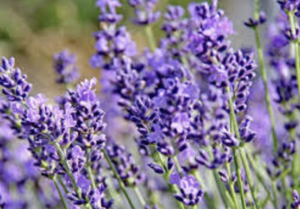
“The way to health is to have an aromatic bath and a scented massage every day.” — Hippocrates
Aromatherapy: Introduction
The term, “Aromatherapy,” commonly refers to the practice of inhaling the vapors of essential oils for therapeutic benefit. Aromatherapy has been used for centuries throughout virtually all cultures to treat any number of conditions or to simply enhance an environment.
Aromatherapy is a branch of Complementary and Alternative Medicine (CAM) that has strong underground support while getting little attention from the traditional western medical community. As a result, aromatherapy has not garnered enough serious research to provide good evidence-based information for providing recommendations for their use.
As is commonly repeated, “a lack of evidence is not the same as a lack of benefit.” There is enough research available to support the concepts underlying the therapeutic benefits for aromatherapy on quite a number of essential oils and compounds, including terpenes. While much of this research is pre-clinical and animal based, there are some human studies published recently that are supportive.
Since by far, the majority of essential oils and their contents are considered safe and most are affordable and readily available, it is highly recommended that patients consider the use of aromatherapy for conditions such as anxiety and pain. This can be done with inexpensive and readily available room diffusers and essential oils.
This section provides an introductory overview of aromatherapy.
Aromatherapy
Aromatherapy and Terpenes
Essential Oils
- Essential Oils
- Essential Oils to Complement Cannabis
- Recommended Essential Oil Brands for Room Diffusers
Terpenes:
Terpenes Therapeutic Benefits:
- Terpenes and Pain
- Terpenes and Anxiety
- Terpenes and Inflammation
- Terpenes and Insomnia
- Terpenes and Creativity
Individual Terpenes:
- β-Caryophyllene
- Bisabolol
- Carene
- Eucalyptol (Cineole)
- Humulene
- Limonene
- Linalool
- Myrcene
- Nerolidol
- Ocimene
- Alpha Phellandrene
- Terpineol
- Terpinolene
Key to Links:
- Grey text – handout
- Red text – another page on this website
- Blue text – Journal publication or external website
Definitions and Terms Related to Pain
Aromatherapy: Introduction
Contemporary Aromatherapy
The use of aromatherapy has never quite made it into the mainstream of Western Medicine due in part to skepticism in the medical community but largely due to the lack of definitive scientific evidence. This lack of evidence does not necessarily equate to lack of benefit but rather literally, a lack of evidence, because the financial drive for research is lacking.
This is about to change.
Given the heightened and exponential growth of interest in the medical use of marijuana, the medical community is forced now to investigate which components found in cannabis are responsible for therapeutic benefits. While the majority of interest in cannabis has been in THC, the facts emerging from recent research is demonstrating that the major distinction between the effects of one cannabis strain from another therapeutically lies not in the THC content but in the other components: mostly in the content of fragrant terpenes found in the different strains. See; Links to ALL Marijuana Educational Pages.
Consequently, terpenes are now getting a great deal of attention in the research community and it follows that the use of terpenes in aromatherapy is going to get a great deal more attention and hopefully more definitive research. Please note, although our focus here is on terpenes and essential oils, there are other aromatic compounds found in essential oils that contribute to both therapeutic benefit as well as aromas and scents.
While the term, “Aromatherapy,” commonly refers to the practice of inhaling the vapors of essential oils for therapeutic benefit, the umbrella of aromatherapy also extends to their topical use as well. Topical use of essential oils can take the form of direct application (generally via dilution), topically with massage oils infused with essential oils and bathing in bathwater infused with essential oils.
The Medical Science of Aromatherapy
Aromatherapy uses essential oils (volatile plant compounds, including terpenes) to promote health. When inhaled, oils stimulate the olfactory system; topically, they absorb through skin and stimulate nerves. Benefits include pain relief, anxiety reduction and anti-inflammation via nerve and biochemical pathways.
Essential oils and terpenes can be inhaled, applied topically or, in the some cases, ingested orally. Depending on the method and location of use, the therapeutic outcome may differ. When inhaled or applied topically the active compounds in the essential oils gain access to the blood, and sometimes directly the brain without passing through the liver.
Inhalation
1.Inhaled Aromatherapy via the nose: Direct Olfactory Nerve Stimulation
Inhalation through the nose delivers the aromatic compounds to stimulate receptors on the olfactory nerves in the nose. These receptors send signals to the olfactory area in the brain which directly communicate with other parts of the brain to improve symptoms of anxiety, depression and improve sleep quality and impact the response to stress and other symptoms.
- Effects on the Brain: Essential oils can send signals directly to the olfactory system and trigger the brain to produce neurotransmitters e(.g., serotonin and dopamine], influence the nerve-hormone systems, neurophysiological brain activity, sympathetic and parasympathetic nervous system, biomarkers changes, psychological and behavior effects, and to modulate pain, sleep and mental disorders.
- Therapeutic Effects: Rapid onset (seconds-minutes) for anxiety (20-30% reduction in scores) and pain (via limbic modulation of perception). Inhaled terpenes like BCP may reduce inflammation systemically.
2. Inhaled Aromatherapy via the lungs: Diffusion into the Blood
- Effects on the Blood: The terpenes and other compounds enter the bloodstream via lungs for systemic delivery to brain and other tissues. These compounds are largely able to pass through the blood-brain barrier and directly into the brain where they may impact different areas of the brain that can modify mood, anxiety, and pain.
- Therapeutic Effects: Rapid onset (minutes) for anxiety and terpenes like BCP may reduce inflammation systemically.
Topical Application
1.Topical Aromatherapy to the Face: Direct Trigeminal Nerve Stimulation through Skin Absorption
Topical application (e.g., to face) stimulates the trigeminal nerve (V5) that has branches supplying the forehead, cheeks and chin. These V5 fibers connect directly to brainstem, thalamus, and cortex which influence sensation, emotion and modulate pain and anxiety and possibly reduce migraine (via CGRP inhibition).
- Effects on the Face: Trigeminal fibers connect to brainstem, thalamus, and cortex, influencing sensation/emotion. Facial application activates trigeminal pathways, modulating pain/anxiety via brainstem-limbic connections (e.g., reducing migraine via CGRP inhibition) .
- Therapeutic Impacts: Local pain relief (30-40% reduction in headaches); anxiety via trigeminal-limbic links.
- Mechanism: Trigeminal stimulation activates brainstem nuclei (e.g., locus coeruleus) for norepinephrine release, affecting mood; topical absorption allows local anti-inflammation (e.g., BCP via CB2). Terpenes like menthol (peppermint) stimulate TRPM8 for cooling/analgesia.
2. Topical Aromatherapy through Skin Absorption:
Topical oils penetrate skin strata (stratum corneum, epidermis, dermis) via passive diffusion or supplemented with the use of enhancers to increase permeation of a compound deeper into the skin. Terpenes like limonene act as permeation enhancers, increasing absorption.
- Benefits: Local anti-inflammation (e.g., BCP reduces cytokines), analgesia via TRP/opioid modulation. For anxiety, facial application stimulates trigeminal nerve for central effects. Topical application of essential oils has been demonstrated to reduce joint pain and condition such as plantar fasciitis. However, the research in human applications is very limited so the evidence behind therapeutic claims remains low quality as a result.
3. Oral Ingestion
When a compound is ingested orally, it is subjected to first pass metabolism when it is absorbed from the gut and passed through the liver before gaining access to the general circulationat at which point it can be taken to the brain or other therapeutic targets. The process of breakdown in the gut and metabolism in the liver creates many points at which the bioavailability of a compound can be affected. Hence, engaging aromatherapy through inhalation or topical applications provide provides a more direct therapeutic impact.
Only a few essential oils are used commonly in oral forms. One of them, lavender oil, is available in a common over-the-counter medication directed at anxiety and insomnia Calmaid, which provides 80 mg of lavender oil per tablet. It is safe and effective. Unfortunately, a systematic review published in 2017 identified no studies that met the author’s criteria that conclusively established comparative effectiveness of oral Silexan (the patented form of lavender oil used in Calmaid, and other preparations, compared to inhaled lavender essential oil as aromatherapy.
Strategies to Engage Aromatherapy
The the strategies to use aromatherapy for therapeutic benefits include creating aerosols using diffusers sprays or evaporation, direct inhalation, and topical application through baths and massage.
1. Creating aerosols for a therapeutic environment:
- Diffusers: An essential oil diffuser disperses a fine mist of oil into the air, filling a room with a relaxing aroma. This is ideal for creating a peaceful ambiance in your living room, bedroom, or home office.
- Device Selection: Use ultrasonic/cold-air diffusers (avoid heating >40°C to prevent terpene degradation).
- Products: When optional, select high-quality products to assure the best therapeutic outcome. Ideally, use brands that provide certificates of analysis (COAs) that demonstrate percent content of terpenes and other compounds present in their individual essential oil products. Suggested brands include: NOW Foods, Plant Therapy, doTERRA, YoungLiving, RockyMountainOils, EdensGarden.
- Patient Instructions: Place diffuser in a well-ventilated room, avoid direct inhalation <12 inches, and stop if irritation occurs. Combine with deep breathing for enhanced relaxation.
- Dosage: Start with 1-2 drops (0.05-0.1 mL) in 100-200 mL water-based diffuser; increase to 3-10 drops as desired of your chosen essential oil to water (distilled preferred? not required) in the diffuser’s reservoir, following the device’s instructions.
- Timing & Duration:
- Pre-session: If supplementing cannabis use, diffuse 30 min before cannabis use to prime GABAergic systems.
- Run for 30–60 minutes: daily or when symptoms flare-up (e.g., low-pressure weather events associated with increased pain).
- Avoid Continuous Use: Limit to 60 min sessions to avoid olfactory fatigue.
- Frequency: 1–2 sessions daily, morning and evening, or when symptoms flare-up.
- Safety:
- Avoid in asthma, epilepsy (rosemary/peppermint)
- Avoid oils with camphor/ketones (neurotoxic at high doses).
- Caution regarding use around children/pets.
- Ensure ventilation to prevent overexposure.
-
Evidence Gaps & Research Needs
- No direct human studies comparing cannabis-derived vs. ambient linalool pharmacokinetics.
- Unknown whether ambient terpenes augments cannabis effects “synergistically” (beyond additive).
- Optimal terpene:cannabinoid ratios for therapy are undefined.
- Aromatherapy sprays: Create your own room or pillow mist for a quick spritz of calm.
- How to use: Combine 15–20 drops of essential oil with 2 ounces of distilled water and a tablespoon of witch hazel or vodka in a spray bottle. Shake well before each use.
- Dry evaporation: For a quick, no-equipment method, place a few drops of oil on a cotton ball or tissue and set it nearby, such as on a desk or bedside table. There are commercial products, then employee sticks that absorb oils and then dissipate them into the air via evaporation.
2. For targeted or immediate relief
- Direct inhalation: For a rapid relaxation boost, inhale essential oils directly from the bottle.
- How to use: Place a drop of oil on your palms, rub them together, cup your hands over your nose, and take a few deep breaths. Portable inhaler sticks are also available for on-the-go use.
- Topical application: Applying diluted essential oils to the skin allows for both aromatic and transdermal absorption.
- How to use: Mix essential oils with a carrier oil like jojoba, almond, or coconut oil. Gently massage the blend onto pulse points (wrists, temples, neck) or trigger points in tense muscles.
3. For a full-body experience
- Aromatherapy bath: The combination of warm water and diffused oil is a powerful way to unwind.
- How to use: Add 5–10 drops of essential oil, diluted with a carrier oil (see below) or Epsom salt, to your bathwater. The steam will carry the scent, promoting relaxation.
- Aromatherapy massage: Combining massage with essential oils can amplify relaxation and help relieve muscle tension.
- How to use: Create a massage oil blend by mixing your essential oils with a carrier oil.
Safety guidelines
- Dilute oils: Always dilute essential oils with a carrier oil before applying them to your skin to prevent irritation.
- Perform a patch test: Before using a new oil topically, apply a small, diluted amount to your inner elbow and wait 24 hours to check for an allergic reaction.
- Consult a doctor: If you are pregnant, nursing, or have a medical condition, speak to a healthcare professional before using essential oils.
- Be cautious with pets and children: Some oils can be harmful to pets or too strong for young children. Research safety guidelines or consult a professional if you have concerns.
Benefits of Aromatherapy
1. Relaxation and Anxiety
Aromatherapy can be engaged in multiple ways for relaxation and anxiety include diffusion, direct inhalation, and topical application through baths and massage. For optimal results, select calming essential oils like the following
Recommended relaxing essential oils
- Lavender: Widely known for its calming and sedative properties. It can reduce stress, anxiety, and help improve sleep quality.
- Chamomile: Has a gentle, soothing effect that can help ease irritability and melt away tension.
- Bergamot: A citrus oil that can reduce stress while also uplifting your mood.
- Frankincense: Known for its grounding effects, it promotes deeper breathing and emotional balance during meditation.
- Ylang-Ylang: This floral oil can help lower heart rate and blood pressure while reducing feelings of stress and anger.
- Sandalwood: Offers a warm, grounding aroma that promotes a deep sense of relaxation.
For more information, See: Aromatherapy – Relaxation and Anxiety
2. Depression See: Aromatherapy – Depression
4. Pain. See: Aromatherapy – Pain
Carrier & Massage Oils
Carrier oils, also known as base oils or vegetable oils, are plant-derived oils that serve as a neutral and stable base for diluting essential oils. Common carrier oils include coconut, avocado, argan, almond, grape seed and jojoba. They are called “carriers” because they help “carry” essential oils onto the skin and into the body and they are typically derived from seeds, nuts, or kernels.
Improving the safety of topical application of essential oils
Because some essential oils are too strong or highly concentrated and potent, applying them directly to the skin can cause irritation or allergic reactions. When used in conjunction with essential oils, carrier oils act as a vehicle for dilution and help spread the essential oil over a larger surface area, making them safer for topical application.
Enhancing the effects of topical application of essential oils
Carrier oils can enhance the effects of essential oils and different carrier oils have unique benefits. By helping essential oils penetrate the skin, they enhance the effects of essential oils to maximize their therapeutic benefits.
Versatility
Carrier oils are versatile and can be used in massage, bathing oils or as a base for creating personalized skincare and haircare products.
General Benefits of Carrier Oils:
- Moisturization: Carrier oils are rich in fatty acids and nutrients, making them excellent natural moisturizers. They hydrate and nourish your skin, leaving it soft and supple.
- Skin Protection: These oils form a protective barrier on your skin, shielding it from environmental pollutants and UV radiation.
- Improved Skin Health: Different carrier oils have unique properties that can address specific skin concerns. For example, Argan oil is known for its anti-aging properties, while Jojoba oil is great for balancing oily skin.
- Aromatherapy: Carrier oils are essential in aromatherapy, allowing you to enjoy the therapeutic benefits of essential oils through diffusers and massage.
Suggested “Favorite” Carrier Oils (from DreamingEarth.com)
- Avocado Oil: Rich in vitamins and antioxidants, Avocado oil is deeply hydrating and perfect for dry and mature skin. It’s also great for softening and strengthening hair.
- Argan Oil: Known as “liquid gold,” Argan oil is a natural solution for radiant skin and lustrous hair. It’s a popular choice for anti-aging and repairing damaged skin.
- Almond Oil: Almond oil is a gentle and versatile option. It’s suitable for all skin types and is well-known for its nourishing and soothing properties.
- Grape Seed Oil: Packed with antioxidants, Grape Seed oil is excellent for promoting healthy skin and supporting the healing process. It’s lightweight and easily absorbed.
- Jojoba Oil: Jojoba oil closely resembles the natural oils produced by the skin, making it an ideal choice for balancing oily or acne-prone skin. It’s also recommended for conditioning hair.
Essential Oils and Terpenes – Brief Overview
Essential Oils vs Terpenes
Terpenes are a family of aromatic organic compounds obtained mainly from plants and trees, such as cannabis (marijuana), but also in teas, pine, lavender, thyme and citrus fruits like lemon. They offer a wide range of therapeutic benefits. In fact the terpenes found in cannabis are generally found in other common fruits and flowers. Linalool, for example, is a terpene found in many of the strains of cannabis that have been found most effective for treating anxiety. Linalool, on the other hand, is the prominent terpene found in lavender and lavender is one of the most studied flower used in aromatherapy for treating anxiety. Therapeutic terpenes are found in apples, citrus juices, berries, grapes, guava, celery, peas, potatoes, tomatoes, cinnamon, cloves, cassia, cumin, ginger, mustard, nutmeg, pepper, thymus, cheeses, grape wines, butter, milk, rum, cider, tea, passion fruit, olive, mango, beans, coriander and rice…. the list goes on.
Terpenes are mostly responsible for the aroma of cannabis and other fragrant plants and essential oils and they are also responsible for many of their therapeutic benefits Terpenes are quite potent when inhaled from ambient air and have been shown to affect human behavior at serum levels less than 10 ng/ml. In fact, although terpenes account for less than 1% in most cannabis plants, terpenes in concentrations above 0.05% are considered potentially pharmacological active.
Some popular essential oils used in aromatherapy and their terpenes:
- Bergamot – Limonene, Linalool, Beta Pinene
- Clove – Eugenol, Caryophyllene
- Eucalyptus – Eucalyptol, Alpha Pinene, Limonene, and Terpineol
- Lavender – Linalool, Camphor, and Limonene
- Lemon – Alpha Pinene, Camphene, Beta Pinene, Myrcene, and Nerol
- Oregano – Carvacrol, Beta Fenchyl, and Thymol
- Peppermint – Menthol, Limonene, Beta Pinene, and Beta Caryophyllene
- Rosemary – Alpha Pinene, Camphor, Limonene, Camphene, Beta Pinene, and Beta Caryophyllene
Disclaimer:
The medical information on this site is provided as a resource for information only, and is not to be used or relied upon for any diagnostic or treatment purposes and is not intended to create any patient-physician relationship. Readers are advised to seek professional guidance regarding the diagnosis and treatment of their medical concerns.
References:
[1] PMC. (2023). The Effects of Essential Oils on the Nervous System. https://pmc.ncbi.nlm.nih.gov/articles/PMC10180368/
[2] ScienceDirect. (2024). Essential oils for clinical aromatherapy: A comprehensive review. https://www.sciencedirect.com/science/article/pii/S0378874124004793
[3] Johns Hopkins Medicine. (n.d.). Aromatherapy: Do Essential Oils Really Work? https://www.hopkinsmedicine.org/health/wellness-and-prevention/aromatherapy-do-essential-oils-really-work
[4] PMC. (2020). The Effects of Essential Oils and Terpenes in Relation to Their Routes of Intake and Application. https://pmc.ncbi.nlm.nih.gov/articles/PMC7084246/
[5] Made by Coopers. (2023). How Aromatherapy Works: Understanding the Science Behind Scent. https://madebycoopers.com/blogs/news/how-aromatherapy-works-understanding-the-science-behind-scent
[6] Wiley Online Library. (2020). Effects of essential oils on central nervous system: Focus on mental health. https://onlinelibrary.wiley.com/doi/full/10.1002/ptr.6854
[7] Cleveland Clinic. (n.d.). Aromatherapy. https://my.clevelandclinic.org/health/treatments/aromatherapy
[8] SCIRP. (2025). Investigating the Impact of Aromatic Scents on Vital Systems. https://www.scirp.org/journal/paperinformation?paperid=142809
[9] MDPI. (2021). Therapeutic Effect and Mechanisms of Essential Oils in Mood Disorders: Interaction between the Nervous and Respiratory Systems. https://www.mdpi.com/1422-0067/22/9/4844
[10] ResearchGate. (2021). Therapeutic Effect and Mechanisms of Essential Oils in Mood Disorders: Interaction between the Nervous and Respiratory Systems. https://www.researchgate.net/publication/351407109_Therapeutic_Effect_and_Mechanisms_of_Essential_Oils_in_Mood_Disorders_Interaction_between_the_Nervous_and_Respiratory_Systems
[11] MedicalNewsToday. (n.d.). Aromatherapy: Uses, benefits, oils, and risks. https://www.medicalnewstoday.com/articles/10884
[12] Frontiers. (2022). Inhalation Aromatherapy via Brain-Targeted Nasal Delivery. https://www.frontiersin.org/journals/pharmacology/articles/10.3389/fphar.2022.860043/full
[13] Queen’s University Belfast. (2024). Essential oils for clinical aromatherapy: a comprehensive review. https://pure.qub.ac.uk/files/586393168/Essential_oils_for_clinical_aromatherapy.pdf
[14] ABMP. (n.d.). Aromatherapy: Uses, benefits, oils, and risks. https://www.abmp.com/massage-and-bodywork-magazine/scents-psyche-bring-thebenefits-essential-oils-your-session-room
Aromatherapy – Overviews
- Clinical Aromatherapy 2020
- Essential Oils and Health – 2020
- Aromatherapy and Essential Oils- A Map of the Evidence – 2019
- Essential oils for clinical aromatherapy- A comprehensive review – 2024
- Aromatherapy_ Historical, Phytochemical Insights, and Therapeutic Applications _
- Aromatherapy and Essential Oils- Holistic Strategies in Complementary and Alternative Medicine for Integral Wellbeing – 2022
- Inhalation Aromatherapy via Brain-Targeted Nasal Delivery- Natural Volatiles or Essential Oils on Mood Disorders – 2022
- Linalool as a Therapeutic and Medicinal Tool in Depression Treatment- A Review – 2022
- The effects of lavender oil inhalation on emotional states, autonomic nervous system, and brain electrical activity – PubMed – 2012
- Lavender essential oil in the treatment of migraine headache_ a placebo-controlled clinical trial – PubMed – 2012
- Lavender essential oil in the treatment of migraine headache_ a placebo-controlled clinical trial – PubMed – 2012
- The effects of lavender oil inhalation on emotional states, autonomic nervous system, and brain electrical activity – PubMed – 2012
Aromatherapy – Mechanisms of Action
Aromatherapy – Misc
- Aromatherapy and Aromatic Plants for the Treatment of Behavioural and Psychological Symptoms of Dementia in Patients with Alzheimer’s Disease Clinical Evidence and Possible Mechanisms – 2017
- Corrigendum – A question of scent – lavender aroma promotes interpersonal trust -2015
- Odors enhance slow-wave activity in non-rapid eye movement sleepOdors enhance slow-wave activity in non-rapid eye movement sleep
- Reactivating memories during sleep by odors – odor specificity and associated changes in sleep oscillations – 2014
- Increasing Explicit Sequence Knowledge by Odor Cueing during Sleep in Men but not Women – 2016
- Effects of odorant administration on objective and subjective measures of sleep quality, post-sleep mood and alertness, and cognitive performance – 2003
- An Olfactory Stimulus Modifies Nighttime Sleep in Young Men and Women – 2005
- Massage with or without aromatherapy for symptom relief in people with cancer. – PubMed – NCBI
- Aromatherapy hand massage for older adults with chronic pain living in long-term care. – PubMed – NCBI
- A Systematic Review of Essential Oils and the Endocannabinoid System – A Connection Worthy of Further Exploration – 2020
- Human olfactory receptors – novel cellular functions outside of the nose,” – 2017
- The diversified function and potential therapy of ectopic olfactory receptors in non-olfactory tissues – PubMed – 2017
- How does your kidney smell? Emerging roles for olfactory receptors in renal function,” – 2017
Terpenes – Overviews
- Therapeutic and Medicinal Uses of Terpenes – 2019
- Terpenes:Terpenoids in Cannabis – Are They Important? – 2020
- Advances in Pharmacological Activities of Terpenoids – 2020
- Terpenoids, Cannabimimetic Ligands, beyond the Cannabis Plant – 2020
- The Cannabis Terpenes – 2020
- The “Entourage Effect” – Terpenes Coupled with Cannabinoids for the Treatment of Mood Disorders and Anxiety Disorders – 2020
- Cannabis Essential Oil – A Preliminary Study for the Evaluation of the Brain Effects – 2018
- A Systematic Review of Essential Oils and the Endocannabinoid System – A Connection Worthy of Further Exploration – 2020
- Efficacy of Essential Oils in Pain – A Systematic Review and Meta-Analysis of Preclinical Evidence – 2021
Essential Oils – Animals
- Essential Oils and Animals – Which Essential Oils Are Toxic to Pets?
- Essential Oils and Pets
- Herbs and Their Uses for Animals – Patchouli and Pets
Aromatherapy – Routes of Use:
- The Effects of Essential Oils and Terpenes in Relation to Their Routes of Intake and Application – 2020
- Antiviral effect of phytochemicals from medicinal plants – Applications and drug delivery strategies – 2020
- Cannabinoid Delivery Systems for Pain and Inflammation Treatment – 2018
Aromatherapy – Topical
Aromatherapy – Olfactory Receptors
- Activation of intestinal olfactory receptor stimulates glucagon- like peptide-1 secretion in enteroendocrine cells and attenuates hyperglycemia in type 2 diabetic mice – 2017
- Human olfactory receptors – novel cellular functions outside of the nose,” – 2017
- How does your kidney smell? Emerging roles for olfactory receptors in renal function,” – 2017
- The diversified function and potential therapy of ectopic olfactory receptors in non-olfactory tissues – PubMed – 2017
Terpenes – Synergy with Cannabinoids:
- Taming THC – potential cannabis synergy and phytocannabinoid-terpenoid entourage effects – 2011
- A tale of two cannabinoids: the therapeutic rationale for combining tetrahydrocannabinol and cannabidiol. – PubMed – NCBI
- Entourage Effect 2.0
- Cannabis and the Anxiety of Fragmentation—A Systems Approach for Finding an Anxiolytic Cannabis Chemotype – 2018
- Terpenoids and Phytocannabinoids Co-Produced in Cannabis Sativa Strains Show Specific Interaction for Cell Cytotoxic Activity – 2019
- Absence of Entourage – Terpenoids Commonly Found in Cannabis sativa Do Not Modulate the Functional Activity of Δ9-THC at Human CB1 and CB2 Receptors – 2019
- Terpenoids From Cannabis Do Not Mediate an Entourage Effect by Acting at Cannabinoid Receptors – 2020
- The “Entourage Effect” – Terpenes Coupled with Cannabinoids for the Treatment of Mood Disorders and Anxiety Disorders – 2020
Terpenes – Marijuana Strains
- Patterns of medicinal cannabis use, strain analysis, and substitution effect among patients with migraine, headache, arthritis, and chronic pain in a medicinal cannabis cohort – 2018
- Terpenoid Chemoprofiles Distinguish Drug-type Cannabis sativa L. Cultivars in Nevada – 2018
- Terpenoids and Phytocannabinoids Co-Produced in Cannabis Sativa Strains Show Specific Interaction for Cell Cytotoxic Activity – 2019
- Identification of Terpenoid Chemotypes Among High (−)-trans-Δ9- Tetrahydrocannabinol-Producing Cannabis sativa L. Cultivars 0 2017
- The Cannabinoid Content of Legal Cannabis in Washington State Varies Systematically Across Testing Facilities and Popular Consumer Products – 2018
Terpenes – Bioavailability
- Bioavailability and Pharmacokinetics of Natural Volatile Terpenes in Animals and Humans – 2000
- Bioavailability of Bioactive Compounds
- SPC Liposomes as Possible Delivery Systems for Improving Bioavailability of the Natural Sesquiterpene β-Caryophyllene – 2018
Therapeutic Benefits
Terpenes – Arthritis
Terpenes – Anxiety
- Cannabis and the Anxiety of Fragmentation—A Systems Approach for Finding an Anxiolytic Cannabis Chemotype – 2018
- The “Entourage Effect”: Terpenes Coupled With Cannabinoids for the Treatment of Mood Disorders and Anxiety Disorders – PubMed – 2019
- Medicinal cannabis for psychiatric disorders – a clinically-focused systematic review – 2020
- A Systematic Review of the Anxiolytic-Like Effects of Essential Oils in Animal Models – 2015
- A Systematic Review on the Anxiolytic Effect of Aromatherapy during the First Stage of Labor – 2019
- A Systematic Review on the Anxiolytic Effectsof Aromatherapy in People with Anxiety Symptoms – 2011
- Anxiolytic Terpenoids and Aromatherapy for Anxiety and Depression – PubMed – 2020
- Effect of Aromatherapy on Dental Anxiety Among Orthodontic Patients – A Randomized Controlled Trial – 2019
- Essential Oils and Their Constituents – An Alternative Source for Novel Antidepressants – 2017
- Essential Oils and Their Constituents Targeting the GABAergic System and Sodium Channels as Treatment of Neurological Diseases – 2018
- Possible Use of Phytochemicals for Recovery from COVID-19-Induced Anosmia and Ageusia – 2021
- The calming effect of roasted coffee aroma in patients undergoing dental procedures – 2021
- The Effect of Lavender Aroma on Anxiety of Patients Having Bone Marrow Biopsy- 2020
- The-Effects-of-Essential-Oils-and-Terpenes-in-Relation-to-Their-Routes-of-Intake-and-Application-2020
- Therapeutic Effect and Mechanisms of Essential Oils in Mood Disorders – Interaction between the Nervous and Respiratory Systems – 2021
- Anxiolytic-Like Effects of Bergamot Essential Oil Are Insensitive to Flumazenil in Rats – 2019
Terpenes – Infectious Diseases
- Phytochemical Analysis and in vitro Antiviral Activities of the Essential Oils of Seven Lebanon Species – 2008
- Antiviral effect of phytochemicals from medicinal plants – Applications and drug delivery strategies – 2020
- Essential Oils and Coronaviruses – 2020
Terpenes – Pain:
- Analgesic-like Activity of Essential Oils Constituents – 2011
- Analgesic-Like Activity of Essential Oil Constituents – An Update – 2017
- Medicinal Plants of the Family Lamiaceae in Pain Therapy – A Review – 2018
- Analgesic Potential of Essential Oils – 2016
- Medicinal Plants of the Family Lamiaceae in Pain Therapy – A Review – 2018
- Patterns of medicinal cannabis use, strain analysis, and substitution effect among patients with migraine, headache, arthritis, and chronic pain in a medicinal cannabis cohort – 2018
- Terpenoids, Cannabimimetic Ligands, beyond the Cannabis Plant – 2020
- The Molecular Mechanisms That Underpin the Biological Benefits of Full-Spectrum Cannabis Extract in the Treatment of Neuropathic Pain and Inflammation – PubMed – 2020
- Cannabis-based medicines and the perioperative physician – 2019
- Cannabis‐based medicines for chronic neuropathic pain in adults – 2018
- Medicinal Properties of Cannabinoids, Terpenes, and Flavonoids in Cannabis, and Benefits in Migraine, Headache, and Pain – An Update on Current Evidence and Cannabis Science – 2018
- Role of Cannabinoids and Terpenes in Cannabis-Mediated Analgesia in Rats – PubMed – 2019
- Antinociceptive effect of inhalation of the essential oil of bergamot in mice – 2018
- Analgesic Potential of Essential Oils – 2016
- Analgesic-Like Activity of Essential Oil Constituents – An Update – 2017
- Aromatherapy hand massage for older adults with chronic pain living in long-term care. – PubMed – NCBI
Terpenes – Headaches:
- Medicinal Properties of Cannabinoids, Terpenes, and Flavonoids in Cannabis, and Benefits in Migraine, Headache, and Pain – An Update on Current Evidence and Cannabis Science – 2018
- Patterns of medicinal cannabis use, strain analysis, and substitution effect among patients with migraine, headache, arthritis, and chronic pain in a medicinal cannabis cohort – 2018
Terpenes – Inflammation:
- Evaluation of the anti-inflammatory, anti-catabolic and pro-anabolic effects of E-caryophyllene, myrcene and limonene in a cell model of osteoarthritis. – 2015
- Cannabis sativa L. and Nonpsychoactive Cannabinoids – Their Chemistry and Role against Oxidative Stress, Inflammation, and Cancer – 2018
- Patterns of medicinal cannabis use, strain analysis, and substitution effect among patients with migraine, headache, arthritis, and chronic pain in a medicinal cannabis cohort – 2018
- Therapeutic Potential of Volatile Terpenes and Terpenoids from Forests for Inflammatory Diseases – 2020
- The Molecular Mechanisms That Underpin the Biological Benefits of Full-Spectrum Cannabis Extract in the Treatment of Neuropathic Pain and Inflammation – PubMed – 2020
- Evaluation of the anti-inflammatory, anti-catabolic and pro-anabolic effects of E-caryophyllene, myrcene and limonene in a cell model of osteoarthritis. – 2015
- Cannabis, Cannabinoids, and the Endocannabinoid System—Is there Therapeutic Potential for Inflammatory Bowel Disease? – 2019
- Therapeutic Applications of Terpenes on Inflammatory Diseases – 2021
Terpenes – Neuroprotective
- Essential Oils as a Potential Neuroprotective Remedy for Age-Related Neurodegenerative Diseases- A Review – 2021
- Essential oils for clinical aromatherapy- A comprehensive review – 2024
- Aromatherapy_ Historical, Phytochemical Insights, and Therapeutic Applications _
- Exploring Pharmacological Mechanisms of Essential Oils on the Central Nervous System
- Aromatherapy and Essential Oils- Holistic Strategies in Complementary and Alternative Medicine for Integral Wellbeing – 2022
- The Effectiveness of Aromatherapy in Reducing Pain- A Systematic Review and Meta-Analysis – 2016
Terpenes – Wound Healing:
Individual Essential Oils and Terpenes
Terpenes – Bergamot
- The Anxiolytic Effect of Aromatherapy on Patients Awaiting Ambulatory Surgery – A Randomized Controlled Trial – 2013
- Antinociceptive effect of inhalation of the essential oil of bergamot in mice – 2018
- Anxiolytic-Like Effects of Bergamot Essential Oil Are Insensitive to Flumazenil in Rats – 2019
- Bergamot – Natural Medicines – Professional.pdf
- Citrus bergamia essential oil – from basic research to clinical application – 2015
- Role of 5-HT1A Receptor in the Anxiolytic-Relaxant Effects of Bergamot Essential Oil in Rodent – 2020 Neuropharmacological Properties of the Essential Oil of Bergamot for the Clinical Management of Pain-Related BPSDs – PubMed – 2019
- Possible involvement of the peripheral Mu-opioid system in antinociception induced by bergamot essential oil to allodynia after peripheral nerve injury – PubMed – 2018
- Peripherally injected linalool and bergamot essential oil attenuate mechanical allodynia via inhibiting spinal ERK phosphorylation – PubMed – 2013
- Neuropharmacology of the essential oil of bergamot – PubMed – 2010
- Effect of Harvesting Time on Volatile Compounds Composition of Bergamot (Citrus × Bergamia) Essential Oil – 2019
- Chemical Composition and Biological Activities of Essential Oils from Peels of Three Citrus Species – 2020
- Chemical_Composition_of_Bergamot_Citrus_Bergamia_Risso_Essential_Oil_Obtained_by_Hydrodistillation – 2010
- Cannabinoid Signaling in the Skin – Therapeutic Potential of the “C(ut)annabinoid” System – 2019
- Rational Basis for the Use of Bergamot Essential Oil in Complementary Medicine to Treat Chronic Pain – PubMed – 2016
Essential Oils – Lavender Oil and Linalool
- Chemical Composition of Two Different Lavender Essential Oils and Their Effect on Facial Skin Microbiota – 2019
- GS12-linalool
- Linalool – 1997
- The “Entourage Effect”: Terpenes Coupled With Cannabinoids for the Treatment of Mood Disorders and Anxiety Disorders – PubMed – 2020
- An olfactory stimulus modifies nighttime sleep in young men and women. – PubMed – NCBI
- Lavender and sleep – A systematic review of the evidence – 2012
- Lavender and the Nervous System – 2013
- Effects of odorant administration on objective and subjective measures of sleep quality, post-sleep mood and alertness, and cognitive performance – 2003
- In-vitro inhibition of human erythrocyte acetylcholinesterase by salvia lavandulaefolia essential oil and constituent terpenes. – PubMed – NCBI – 2000
- Odors enhance slow-wave activity in non-rapid eye movement sleep – 2016
- A question of scent – lavender aroma promotes interpersonal trust – 2015
- Is Lavender an Anxiolytic Drug? A Systematic Review of Randomised Clinical Trials – 2012
- Efficacy of Silexan in subthreshold anxiety – meta-analysis of randomised, placebo-controlled trials – 2019
- Essential oil of lavender in anxiety disorders – Ready for prime time? – 2017
- Linalool is a PPAR ligand that reduces plasma TG levels and rewires the hepatic transcriptome and plasma metabolome – 2014
- A Review of the Potential Use of Pinene and Linalool as Terpene-Based Medicines for Brain Health – Discovering Novel Therapeutics in the Flavours and Fragrances of Cannabis – 2021
- The Efficacy of Lavender Aromatherapy in Reducing Preoperative Anxiety in Ambulatory Surgery Patients Undergoing Procedures in General Otolaryngology – 2017
- Efficacy, Safety and Tolerability of Aroma Massage with Lavender Essential Oil – an Overview – 2020
- Antinociceptive and anticonvulsant effects of the monoterpene linalool oxide – 2017
- Exploring Pharmacological Mechanisms of Lavender (Lavandula angustifolia) Essential Oil on Central Nervous System Targets – 2017
- Linalool Ameliorates Memory Loss and Behavioral Impairment Induced by REM-Sleep Deprivation through the Serotonergic Pathway – 2018
- Effects of lavender on anxiety, depression and physiologic parameters – Systematic Review and Meta-Analysis – 2021
- Lavender and sleep – A systematic review of the evidence – 2012
- Lavender and the Nervous System – 2013
- A question of scent – lavender aroma promotes interpersonal trust – 2015
Aromaherapy – Sleep
- Effects of odorant administration on objective and subjective measures of sleep quality, post-sleep mood and alertness, and cognitive performance – 2003
- An Olfactory Stimulus Modifies Nighttime Sleep in Young Men and Women – 2005
- Reactivating memories during sleep by odors – odor speci city and associated changes in sleep oscillations – 2014
- Odors enhance slow-wave activity in non-rapid eye movement sleep – 2016
- Increasing Explicit Sequence Knowledge by Odor Cueing during Sleep in Men but not Women – 2016
Essential Oils – Sage
Individual Terpenes
Terpenes: β-Caryophyllene:
- (−)-β-Caryophyllene, a CB2 Receptor-Selective Phytocannabinoid, Suppresses Motor Paralysis and Neuroinflammation in a Murine Model of Multiple Sclerosis – 2017
- Antiallodynic effect of β-caryophyllene on paclitaxel-induced peripheral neuropathy in mice. – PubMed – NCBI
- Acute administration of beta-caryophyllene prevents endocannabinoid system activation during transient common carotid artery occlusion and reperfusion – 2018
- Antiallodynic effect of β-caryophyllene on paclitaxel-induced peripheral neuropathy in mice. – PubMed – NCBI
- Cannabimimetic phytochemicals in the diet – an evolutionary link to food selection and metabolic stress adaptation? – 2016
- The anxiolytic-like effect of an essential oil derived from Spiranthera odoratissima A. St. Hil. leaves and its major component, β-caryophyllene, in male mice – 2012
- β‐caryophyllene and β‐caryophyllene oxide—natural compounds of anticancer and analgesic properties – 2016
- β-Caryophyllene, a CB2 receptor agonist produces multiple behavioral changes relevant to anxiety and depression in mice – 2014
- Toxicological Evaluation of β-Caryophyllene Oil: Subchronic Toxicity in Rats. – PubMed – NCBI 2016
- The cannabinoid CB₂ receptor-selective phytocannabinoid beta-caryophyllene exerts analgesic effects in mouse models of inflammatory and neuropathic… – PubMed – NCBI – 2014
- The cannabinoid CB2 receptor-selective phytocannabinoid beta-caryophyllene exerts analgesic effects in mouse models of inflammatory and neuropathic pain – 2013
- SPC Liposomes as Possible Delivery Systems for Improving Bioavailability of the Natural Sesquiterpene β-Caryophyllene – 2018
- β-Caryophyllene Inhibits Dextran Sulfate Sodium-Induced Colitis in Mice through CB2 Receptor Activation and PPARγ Pathway – 2011
- Why wild giant pandas frequently roll in horse manure – 2020
- Beta-caryophyllene is a dietary cannabinoid – 2008
- Analgesia mediated by the TRPM8 cold receptor in chronic neuropathic pain. – 2006
- The menthol receptor TRPM8 is the principal detector of environmental cold – PubMed – 2007
- Molecular basis of peripheral innocuous cold sensitivity – 2018
- Involvement of peripheral cannabinoid and opioid receptors in β-caryophyllene-induced antinociception – PubMed – 2013
- NON-CANNABIS THERAPY – Cannabinoid Therapy Without Using Cannabis: Direct Effects™ Topical β-Caryophyllene
Terpenes: Linalool:
- GS12-linalool
- Linalool – 1997
- The “Entourage Effect”: Terpenes Coupled With Cannabinoids for the Treatment of Mood Disorders and Anxiety Disorders – PubMed – 2020
- An olfactory stimulus modifies nighttime sleep in young men and women. – PubMed – NCBI
- Lavender and sleep – A systematic review of the evidence – 2012
- Lavender and the Nervous System – 2013
- Effects of odorant administration on objective and subjective measures of sleep quality, post-sleep mood and alertness, and cognitive performance – 2003
- In-vitro inhibition of human erythrocyte acetylcholinesterase by salvia lavandulaefolia essential oil and constituent terpenes. – PubMed – NCBI – 2000
- Odors enhance slow-wave activity in non-rapid eye movement sleep – 2016
- A question of scent – lavender aroma promotes interpersonal trust – 2015
- Is Lavender an Anxiolytic Drug? A Systematic Review of Randomised Clinical Trials – 2012
- Efficacy of Silexan in subthreshold anxiety – meta-analysis of randomised, placebo-controlled trials – 2019
- Essential oil of lavender in anxiety disorders – Ready for prime time? – 2017
- Linalool is a PPAR ligand that reduces plasma TG levels and rewires the hepatic transcriptome and plasma metabolome – 2014
- A Review of the Potential Use of Pinene and Linalool as Terpene-Based Medicines for Brain Health – Discovering Novel Therapeutics in the Flavours and Fragrances of Cannabis – 2021
- The Efficacy of Lavender Aromatherapy in Reducing Preoperative Anxiety in Ambulatory Surgery Patients Undergoing Procedures in General Otolaryngology – 2017
- Efficacy, Safety and Tolerability of Aroma Massage with Lavender Essential Oil – an Overview – 2020
- Antinociceptive and anticonvulsant effects of the monoterpene linalool oxide – 2017
- Exploring Pharmacological Mechanisms of Lavender (Lavandula angustifolia) Essential Oil on Central Nervous System Targets – 2017
- Linalool Ameliorates Memory Loss and Behavioral Impairment Induced by REM-Sleep Deprivation through the Serotonergic Pathway – 2018
- Effects of lavender on anxiety, depression and physiologic parameters – Systematic Review and Meta-Analysis – 2021
- Lavender and sleep – A systematic review of the evidence – 2012
- Lavender and the Nervous System – 2013
- A question of scent – lavender aroma promotes interpersonal trust – 2015
Terpenes, Linalool: – Silexan
- A Multi-Center, Double-Blind, Randomised Study of the Lavender Oil Preparation Silexan in Comparison to Lorazepam for Generalized Anxiety Disorder – 2010
- Is Lavender an Anxiolytic Drug? A Systematic Review of Randomised Clinical Trials – 2012
- An Orally Administered Lavandula Oil Preparation (Silexan) for Anxiety Disorder and Related Conditions- An Evidence Based Review – 2013
- Lavender oil preparation Silexan is effective in generalized anxiety disorder – a randomized, double-blind comparison to placebo and paroxetine – 2014
- Silexan in anxiety disorders – Clinical data and pharmacological background – 2017
- Effectiveness of Silexan Oral Lavender Essential Oil Compared to Inhaled Lavender Essential Oil Aromatherapy for Sleep in Adults- A Systematic Review – 2018
- Silexan in anxiety disorders Clinical data and pharmacological background – PubMed – 2018
- Efficacy and safety of lavender essential oil (Silexan) capsules among patients suffering from anxiety disorders – A network meta-analysis – 2019
- Efficacy of Silexan in subthreshold anxiety – meta-analysis of randomised, placebo-controlled trials – 2019
- Therapeutic effects of Silexan on somatic symptoms and physical health in patients with anxiety disorders – A meta- analysis – 2020
- Silexan, an orally administered Lavandula oil preparation, is effective in the treatment of ‘subsyndromal’ anxiety disorder a randomized, double-blind, placebo controlled trial – PubMed – 2010
- A multi-center, double-blind, randomised study of the Lavender oil preparation Silexan in comparison to Lorazepam for generalized anxiety disorder – PubMed – 2009
- No Abuse Potential of Silexan in Healthy Recreational Drug Users – A Randomized Controlled Trial – 2021
Terpenes – Limonene
- Evaluation of the anti-inflammatory, anti-catabolic and pro-anabolic effects of E-caryophyllene, myrcene and limonene in a cell model of osteoarthritis. – 2015
- Neuroprotective Potential of Limonene and Limonene Containing Natural Products – 2021
Terpenes: Myrcene
- β-MYRCENE – IARC MONOGRAPHS
- Evaluation of the anti-inflammatory, anti-catabolic and pro-anabolic effects of E-caryophyllene, myrcene and limonene in a cell model of osteoarthritis. – 2015
Terpenes: Pinene
Aromztherpy – Pharmacological Mechanisms
- Exploring Pharmacological Mechanisms of Essential Oils on the Central Nervous System – 2021
- A Systematic Review of Essential Oils and the Endocannabinoid System – A Connection Worthy of Further Exploration – 2020
Medical Marijuana – Product Evaluation
- The Cannabinoid Content of Legal Cannabis in Washington State Varies Systematically Across Testing Facilities and Popular Consumer Products – 2018
- Quality Control of Traditional Cannabis Tinctures – Pattern, Markers, and Stability – 2016
- Cannabinoid, Terpene, and Heavy Metal Analysis of 29 Over-the-Counter Commercial Veterinary Hemp Supplements – 2020
Emphasis on Education
Accurate Clinic promotes patient education as the foundation of it’s medical care. In Dr. Ehlenberger’s integrative approach to patient care, including conventional and complementary and alternative medical (CAM) treatments, he may encourage or provide advice about the use of supplements. However, the specifics of choice of supplement, dosing and duration of treatment should be individualized through discussion with Dr. Ehlenberger. The following information and reference articles are presented to provide the reader with some of the latest research to facilitate evidence-based, informed decisions regarding the use of conventional as well as CAM treatments.
For medical-legal reasons, access to these links is limited to patients enrolled in an Accurate Clinic medical program.
Should you wish more information regarding any of the subjects listed – or not listed – here, please contact Dr. Ehlenberger. He has literally thousands of published articles to share on hundreds of topics associated with pain management, weight loss, nutrition, addiction recovery and emergency medicine. It would take years for you to read them, as it did him.
For more information, please contact Accurate Clinic.
Supplements recommended by Dr. Ehlenberger may be purchased commercially online or at Accurate Clinic.
Please read about our statement regarding the sale of products recommended by Dr. Ehlenberger.
Accurate Supplement Prices